
Those one week or two week tours in Portugal may not be what you think they are, so read on if you dare!
Look, I’ve been in Portugal’s travel scene for seven years now, and I’m getting a bit tired of watching the same thing happen over and over again. Tourists come here all excited about their Portugal tour, then leave feeling… well, kind of empty? They’ve got hundreds of photos on their phones, sure, but when you ask them what they actually learned about Portuguese culture and the people, they give you that blank stare.
The above Spotify podcast is an audio adaptation in podcast format with AI-generated narration.
Meanwhile… and this is what really gets me… I’ve seen people spend just a week in Northern Portugal with the right approach, and they’re in tears when they have to leave. Not because they’re sad the vacation’s over, but because they’re leaving behind what feels like family.
The difference isn’t what you might think. It’s not about spending more money or having better weather. It’s about whether you’re treating Portugal like a checklist or like a home you’re temporarily joining.
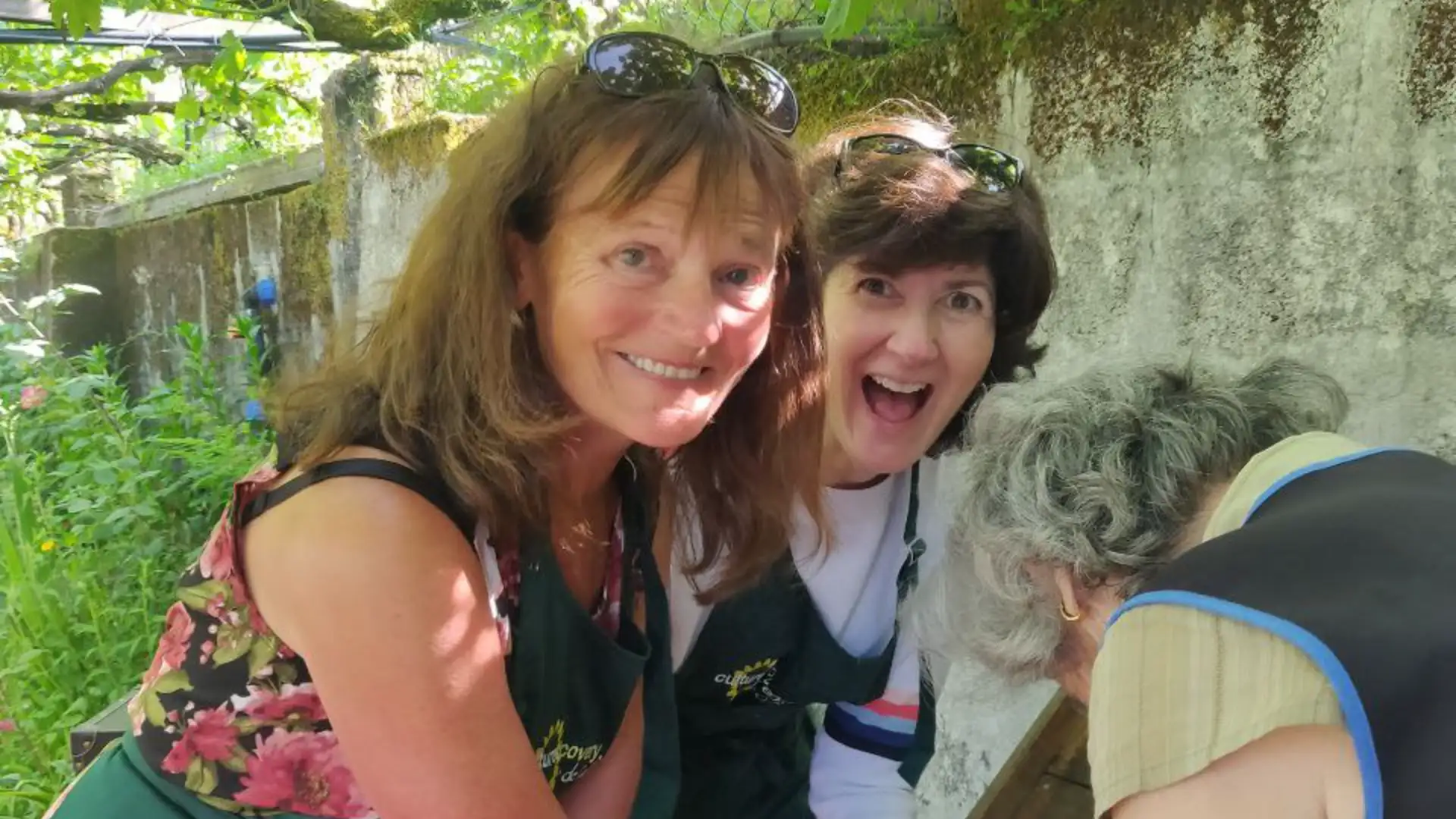
The Multi-City Tour Madness (And Why It’s Broken)
Here’s What Actually Happens on Those 1 Week (or longer) “See Everything” Tours
Okay, so the big tour companies have convinced everyone that more cities equals more value. You’ll see these itineraries promising Lisbon, Porto, Coimbra, Óbidos, Algarve, Sintra – sometimes even throwing in the Azores if they’re feeling really ambitious. All in 7-10 days. Sounds amazing, right?
Wrong. Here’s what really happens (and I’ve seen this play out hundreds of times):
Day 1: Land in Lisbon jet-lagged. Quick hotel check-in with 30+ other equally exhausted people. Group dinner at some restaurant that serves “traditional Portuguese food” but honestly could be anywhere in Europe… usually it is just the hotel restaurant.
Day 2: Wake up early for rushed breakfast. Speed-walk through Alfama taking photos. Bus to Sintra where you fight crowds at Pena Palace for the obligatory Instagram shot. Back to Lisbon for a fado show that’s about as authentic as a Disney performance.
Day 3: Pack everything up again (ugh), three-hour bus ride to Porto with a stop at some highway rest area. Arrive stressed, do a quick “orientation walk,” another group dinner.
And it just keeps going like this. By day four, you’re already exhausted from living out of a suitcase and you haven’t had a single genuine conversation with an actual Portuguese person.
The Hidden Costs That Nobody Talks About
Those $3,000-$3,500 Portugal tours look like great deals until you actually break down what you’re getting. Spoiler alert: it’s not much.
Tourist restaurant meals – We’re talking about places that charge triple what locals pay, serving food that’s been dumbed down for international palates. You know those restaurants with the English menus outside? Yeah, those ones.
Chain hotels with zero personality – Usually located on the outskirts of cities because it’s cheaper. You’ll spend half your time getting to and from the actual places you want to see.
Large group experiences – When you’ve got 30+ people, forget about going anywhere intimate or authentic. You’re stuck with venues that can handle crowds, which means… tourist traps.
“Optional” extras – Oh, this is my favorite. The base tour price never includes the things you actually want to do. By the end, you’ve spent another $1,000+ on extras that should have been included in the first place.
But here’s the real kicker: you’re paying for logistics, not experiences. You’re basically funding a very expensive bus ride with some photo stops. Most of things you actually want to do cost extra later, and are still rushed and bland tourist experiences.
Even Those “Luxury” Tours Generally Are Not
Sure, you can pick that big name tour company that charges 2 or 3 times as much promising “luxury”, but do you know what you are getting? A nicer hotel and a couple higher end tourist trap meals. Seriously… that is the difference. They are basically selling you on the hotel you will stay at, and add almost nothing to the actual experience compared to the budget companies.
Why Big Groups Kill Authentic Experiences
Want to know something that’ll blow your mind? The reason most tour companies can’t offer authentic Portuguese experiences isn’t because they don’t want to – it’s because authentic experiences don’t scale… and they cost a lot!!
Take Ricardo and Marta’s kitchen, for example. I’ve been there dozens of times, and their space comfortably holds maybe 16 people max. When you try to stuff 30 tourists in there, it stops being a cooking class and becomes a circus. Plus, it is their home, not a commercial cooking location.
Same thing with Jorge’s workshop where he teaches traditional Pastel de Nata making. The man is a dear friend and has been doing this craft for decades. He can handle teaching 10-16 people at once. Beyond that? The whole intimate vibe gets lost.
It’s simple math: meaningful cultural exchange needs manageable numbers. Period.
But it is more than that, because large luxury tour operators also sell “small group” experiences meant to sound like this, but they are corporate giants without real relationships, so they are really just hosting fewer people in experiences that also handle large groups.
Why can’t they offer the truly authentic experiences even with small groups? Because deeply authentic requires relationship building for years. The corporate tour companies simply have no real incentive to invest much into real relationship building. It is all about efficiency and the bottom line.
What Real Portuguese Immersion Actually Feels Like
Living vs. Visiting (There’s a Huge Difference)
Let me paint you a different picture here. Imagine waking up in this gorgeous boutique five star hotel right at the beach where the Douro river meets the Atlantic Ocean. Vila Foz was a 19th century mansion that has been transformed into a breathtaking seaside hotel, and you can still feel that history in the walls. But here’s the thing: you’re not staying there just because it’s fancy. You’re there because it puts you in one of the most desirable and beautiful areas around Porto, just minutes from the hsitori center of the city, but with a peaceful atmosphere you will find nowhere else.
Now, instead of being herded onto a bus at 8 AM sharp, you’re driving over to Ricardo and Marta’s place for what they call a “cooking class” but what really feels like… well, like being adopted by a Portuguese family for the day.
These aren’t professional cooking instructors who do this for tourists. They’re real people who’ve been cooking these dishes their whole lives, the way their parents and grandparents taught them. Ricardo will tell you stories about his grandmother while he’s showing you how to make francesinha. Marta will insist you try two different versions of her Portonic because “everyone does it a little different, and you need to know why.”
By the end of the day, they’re not just teaching you recipes. They’re sharing family history, local gossip, opinions about Portuguese politics, restaurants you’ll never find in guidebooks. You know, the stuff that actually matters.
Why Northern Portugal is Where the Magic Happens
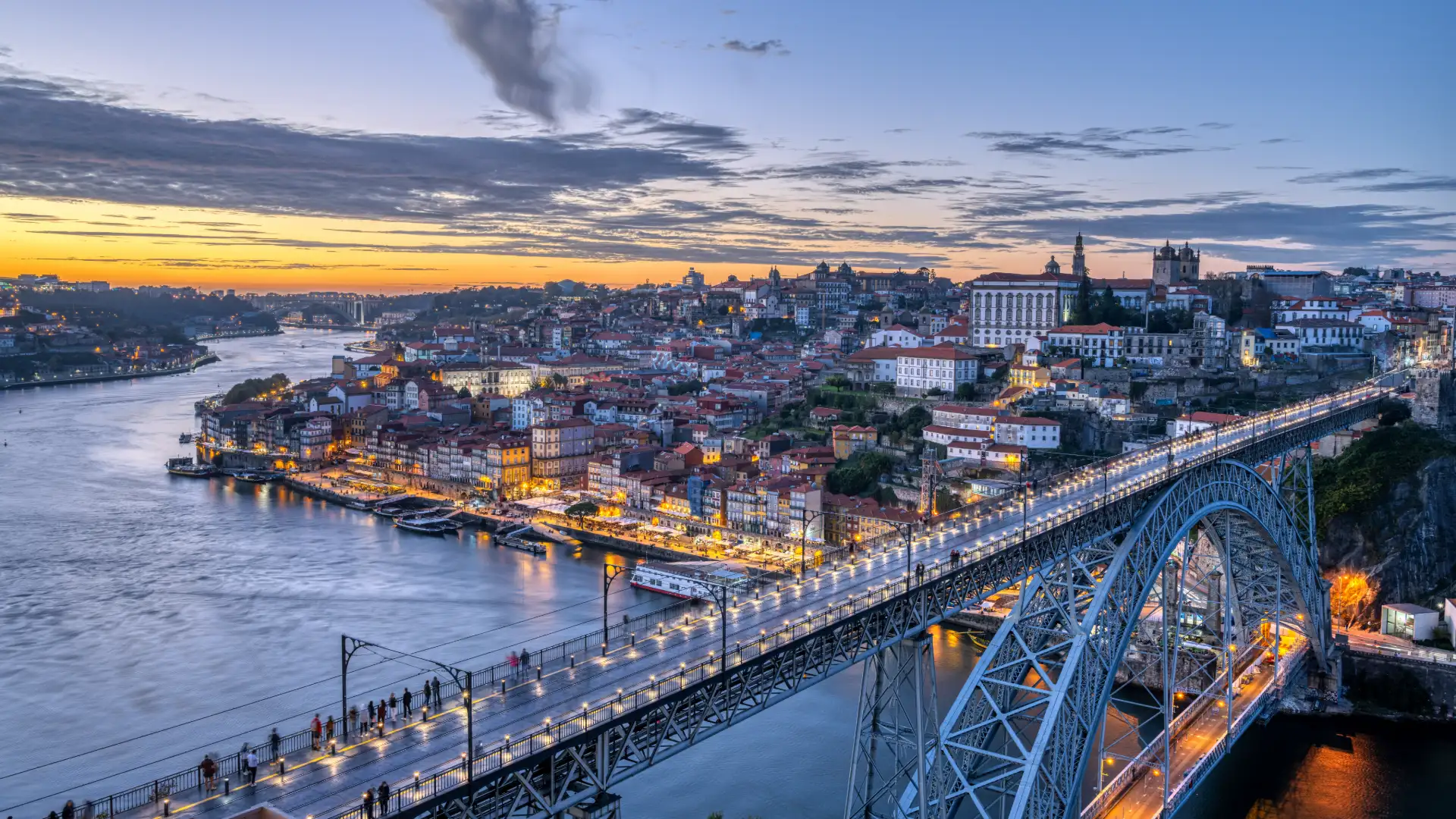
While everyone’s fighting crowds in Lisbon and dealing with tourist chaos in the Algarve (trust me, I am writing this in Algarve right now!), Northern Portugal is just… quietly being itself. Don’t get me wrong – Porto’s got all the culture and beauty of Lisbon, but with about half the crowds and twice the authenticity.
And from Porto as your base? Oh man, you’ve got access to everything that makes Portugal special:
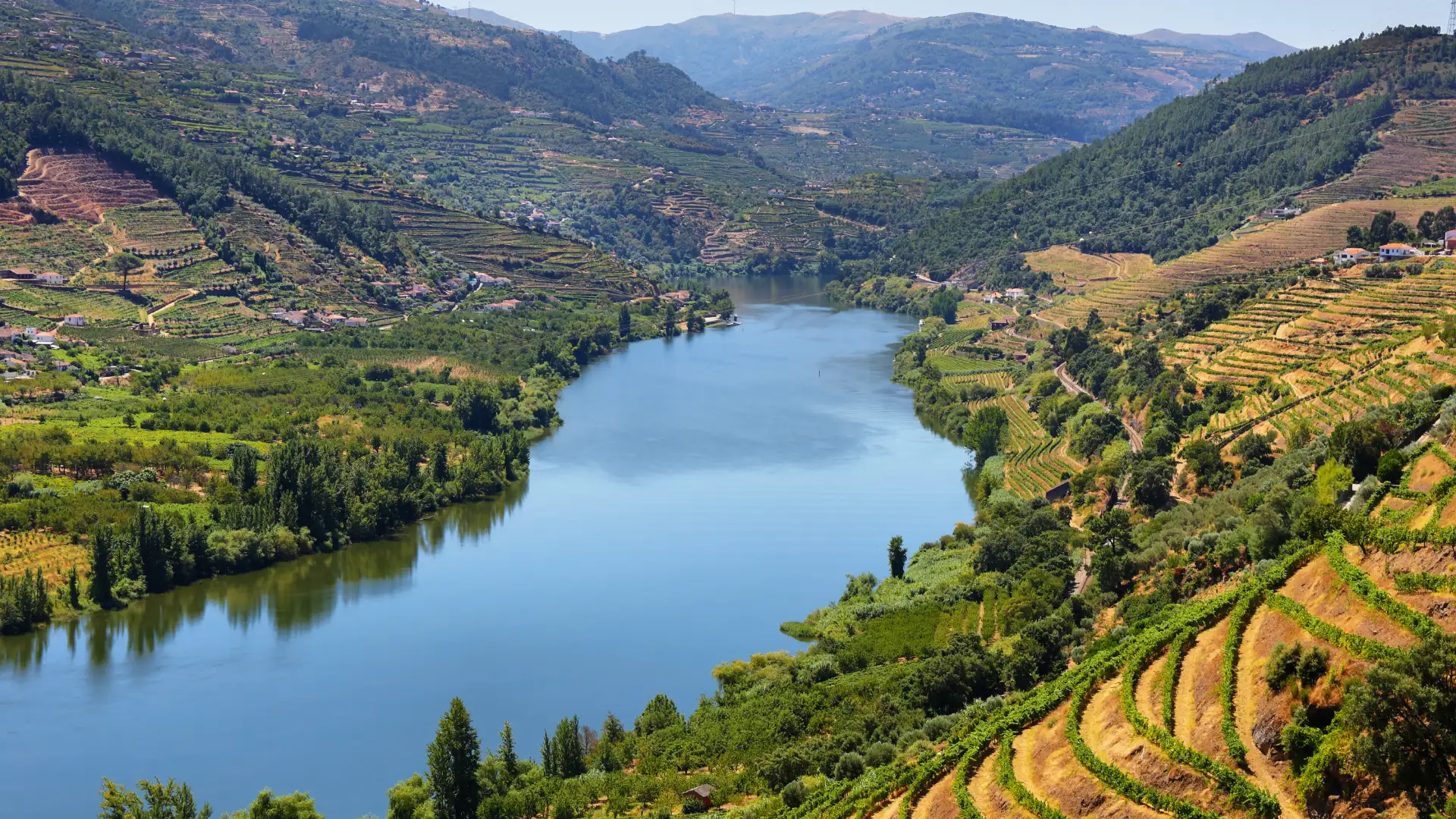
The Douro Valley – But not the touristy wine estates that everyone hits. I’m talking about meeting Álvaro, this incredibly passionate winemaker whose family property produces wines you literally cannot buy anywhere. His wine “tastings” aren’t performances for tourists, they’re genuine conversations about what makes Portuguese wine culture so unique. And his passion? Well, we all kinda laugh about it!
Aveiro – This is where traditions are still living, breathing things, not museum pieces. You’ll spend hours with Renata’s mom learning how to make her paper mâché art. By the time you’re done, you’ve created an actual piece of Portuguese folk art that you made with your own hands.
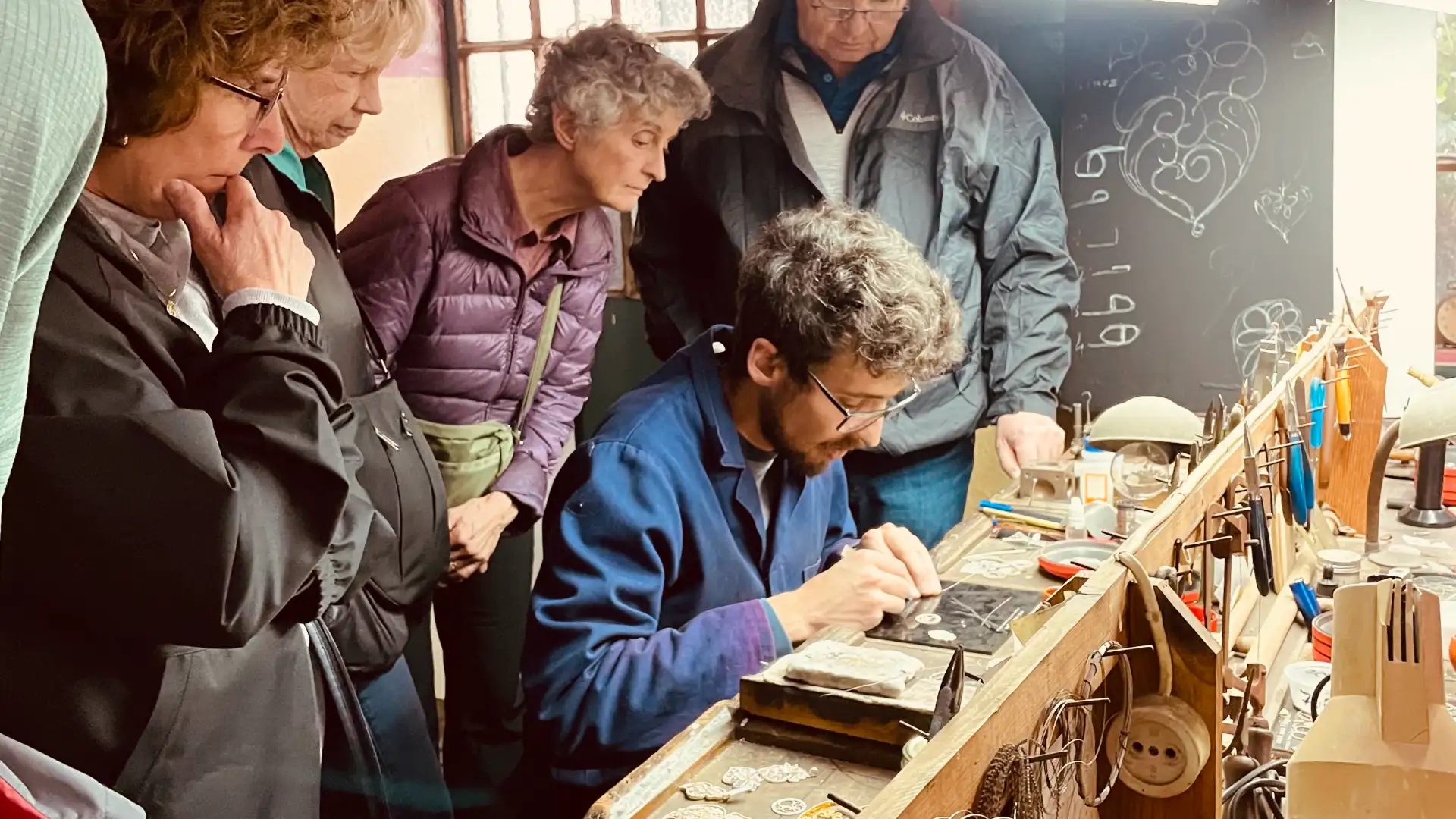
Gondomar’s artisan workshops – Arlindo has been making Portuguese filigree jewelry for over thirty years. Learning these techniques that go back to the 8th century… it’s like touching Portuguese history directly.
The difference is night and day.
Day-by-Day Reality Check: Mass Tourism vs. Actually Living It
Let me show you exactly what I mean by comparing what a typical tour company does versus what happens when you actually prioritize cultural immersion:
Big Tour Company Day 3: “Porto and Surroundings”
7:00 AM: Breakfast buffet at some generic hotel (usually on the outskirts because it’s cheaper) 8:30 AM: Everyone loads onto the bus with 30+ other tired tourists 9:30 AM: Speed-walking tour of Porto’s main sights (45 minutes max) 11:00 AM: Port wine tasting at one of those big commercial cellars with hundreds of other visitors 12:30 PM: Lunch at a tourist restaurant near Dom Luis I Bridge ($40 for mediocre food) 2:00 PM: Bus ride to Douro Valley for “scenic viewing” 3:30 PM: Quick photo stop at a viewpoint 4:00 PM: Another rushed winery visit 6:00 PM: Back on the bus to Porto 7:30 PM: Group dinner at the hotel restaurant. And half of that is “optional” for an extra fee!
Total meaningful interactions with locals: Zero
Things learned about Portuguese culture: Practically nothing
Photos taken: Hundreds
Exhaustion level: High
A Typical Culture Discvery Day – The Douro Valley, Our way!
9:00 AM – A quiet, no-rush breakfast in the garden. The kind where you sit a little longer, breathe a little deeper, and savor every sip of coffee and fresh pastry.
9:00 AM – We head out into the Douro Valley… but not to the polished estates and Instagram overlooks. Today, we peel back the layers of real life in this region. It begins in Vila Real.
9:45 AM – Rosa welcomes us into her little bakery. Once a convent, now a hidden sanctuary of sweet traditions. The women baking alongside her have worked here for decades, preserving secret recipes passed down from the nuns who once lived here. These aren’t just pastries. They’re whispers from another time, shared through sugar and spice.
And then, something magical happens: the young woman translating quietly begins to sing fado. Her voice rises, raw and emotional, filling the old stone walls with a kind of aching beauty that stops everyone in their tracks. It’s not a performance… it’s a gift.
11:30 AM – We board our private Rabelo boat, the traditional wooden vessel once used to carry barrels of wine down the Douro. It’s just us onboard, gliding peacefully between terraced vineyards with a glass of Port or Super Bock in hand. The river feels still, timeless.
12:30 PM – We drive deeper into the valley and meet Álvaro at his vineyard. He doesn’t greet us with a script. He greets us with open arms and a spark in his eye. His land is his love, and you’ll feel that in every word as he walks us through his vines, explaining how he coaxes character from every grape.
Lunch at the vineyard is rustic, warm, and unforgettable. Álvaro pours his wines with pride, each glass full of story. Then comes the guitar. He sings the songs of the land… songs from deep in his heart, and somehow you’re no longer a guest… you’re part of the circle.
3:00 PM – And just when you think the day couldn’t go deeper… We arrive at Rosa and Alberto’s home, where their son Manuel invites you into his world of black clay pottery, guiding you in shaping your own piece of this ancient craft.
5:00 PM – Some time to relax before dinner at Rosa and Alberto’s home, and the aromas hit you before you even walk in the door. Rosa is preparing her family’s oven-roasted meat with chestnuts, a dish that tastes like stories handed down at Sunday tables.
After dinner, Alberto shares something few outsiders ever get to try – vinho fino. It’s essentially Port wine, but made for private use by small growers like Alberto, who aren’t licensed to sell it. No labels. No marketing. Just aged magic, poured from dusty bottles that have lived quietly in family cellars for generations. This is the true soul of Port: rich, bold, and full of heritage.
You came to the Douro for a day.
But by nightfall, it will feel like you’ve been part of it forever.
Because this isn’t about sightseeing.
It’s about belonging.
See the difference?
The Food Culture Revolution: Why Restaurants Miss the Point
Portuguese Families vs. Portuguese Restaurants
Here’s something most Portugal tours get completely backwards: the best Portuguese food isn’t in restaurants.
I mean, yeah, there are some fantastic restaurants in Porto and Lisbon. But the soul of Portuguese food culture? That happens in family kitchens, passed down through generations, with techniques and secret ingredients that no professional chef can replicate.
The absolute best francesinha I’ve ever had wasn’t at some famous Porto restaurant. It was in Ricardo’s kitchen, made with his PERSONAL sauce recipe (which he has been perfecting for years), baked in their wood-burning oven while our guests helped prepare every single component from scratch. And that night a group of college kids that form a Tune musical group. Not Tuna the fish, T.U.N.A. – traditional musical groups formed of university students that wow anyone that stops to listen! They come over for food and beer and play their amazing music just for us. Those other tours? Maybe you happened upon a Tuna group while rushing from place to place and wondered what it was, but more likely you went to a touristy Fado show at best. Here it is the real thing, you learn about them… from them… with them… immersed.
That’s not something you can get in any restaurant. That’s cultural transmission happening in real time.
What you actually learn in these family kitchens:
- Why Portuguese bread is different (spoiler: it’s the technique, not just ingredients)
- The real story behind pastéis de nata (it’s way more interesting than most people know)
- How to choose the best fish at local markets (there’s an art to it)
- Family techniques for dishes that you’ll never find in cookbooks
- The difference between drinking wine and understanding it
- Above all, you make new Portuguese friendships that last a lifetime.
Douro Valley Wine: Intimate vs. Industrial
Most Portugal tours drag you to the mega estates – these big commercial operations set up specifically for bus loads of tourists. You’ll taste decent wines, take some pretty photos, and learn exactly what you could have learned from Wikipedia.
Compare that to spending time with Álvaro at his family estate. This guy doesn’t just make wine – he lives and breathes it. His reds tell stories about specific plots of land. His whites reflect years of experimenting with traditional methods that his grandfather used.
The difference is stark:
- Commercial winery: 45-minute scripted presentation, generic tasting notes, gift shop
- Álvaro’s place: 2+ hour experience, personal stories about each wine, lunch paired with varieties you can’t buy anywhere, genuine understanding of why this specific terroir creates these specific flavors
It’s not even close.
Creating Portuguese Culture (Not Just Consuming It)
Filigree Workshop in Gondomar: Touching History
While tour groups are speed-shopping through Porto’s jewelry stores buying mass-produced “Portuguese” jewelry (most of which is made in China anyway), you could be spending an afternoon with Arlindo.
This man has been practicing filigree his entire life. His family has been doing it for generations. When he teaches you techniques that date back to 8th century Arabian influence, you’re not just learning a craft – you’re participating in living history.
What makes this incredible:
- You learn why Portuguese filigree became world-renowned
- You understand the cultural significance, not just the technique
- You create an actual piece of jewelry using traditional methods
- You take home something you made, with your own hands, that tells the story of your time in Portugal
The piece you create isn’t just jewelry. It’s a physical reminder of the afternoon you spent learning from a master craftsman, understanding Portuguese cultural heritage, participating in traditions that go back centuries.
Traditional Black Pottery: Ancient Techniques Meet Modern Hands
In the Douro Valley, Albert and his son Mateu run this pottery workshop where they still use techniques that are basically unchanged from centuries ago.
The experience:
- Learning why Douro pottery turns black (wood-fired kilns built into mountainside pits)
- Actually working at the potter’s wheel yourself
- Understanding the connection between local clay and regional wine culture
- Seeing how traditional techniques create beauty you can’t get any other way
While tourists are buying pottery from shops, you’re understanding the hands, history, and heritage behind every piece. There’s no comparison.
Let’s Talk Money: Value vs. Price
The Real Cost Breakdown
Okay, time for some honest number talk:
Typical Large Tour Company (8-day Portugal package):
- Base price: $2,800 – $3,500
- Single supplement: $600
- “Optional” excursions: $1,000 (it is always the stuff you really want to do!)
- Meals not included: $700 (and that’s being conservative)
- Tips for local guides and random extras: $400
- Total damage: $5,400 – $6,200
What you actually get:
- Tourist-class hotels that could be anywhere
- Bus transportation with 30+ strangers
- Restaurant meals designed for mass groups
- Experiences optimized for crowds, not connection
- Zero personal relationships
- Exhaustion disguised as adventure
Culture Discovery Vacations (8-day experience):
- All-inclusive: $4,995
- Maximum 16 people (often fewer)
- Luxury Boutique Hotel Porta Nobre on Porto’s riverfront
- All meals included (many in actual Portuguese homes)
- All transportation in. minibus
- Hands-on workshops with master artisans
- Real relationships with local families
- Take-home creations from workshops you attended
What you get:
- Accommodation that’s actually part of the experience
- A travel group small enough to become friends
- Meals prepared by/with Portuguese families
- Cultural immersion that changes your perspective
- Friendships that continue after you return home
- Skills and knowledge you’ll use forever
- Rest and rejuvenation instead of exhaustion
Investment in Transformation vs. Purchase of Transportation
Big tour companies sell trips. Culture Discovery creates life experiences.
When you choose authentic cultural immersion, you’re not buying a vacation package – you’re investing in:
- Relationships that often last for years (seriously, past guests regularly return to visit their Portuguese families)
- Skills you’ll actually use (I know many people who still make Ricardo’s francesinha recipe at home)
- Perspectives that change how you see not just Portugal, but travel in general
- Memories that become part of your personal story
- Confidence to seek authentic experiences wherever you travel next
The price difference isn’t just about comfort level… it’s about whether travel changes you or just temporarily relocates you.
Who Should (And Shouldn’t) Choose This Approach
Perfect for People Who:
Care More About Understanding Than Photographing If you’d rather spend a few hours hours listening to live TUNA music and being part of the experience while spending time with these university students in Marta and Ricardo’s garden than watching a 45-minute tourist show in Lisbon, this is your speed.
Value Quality Relationships Over Quantity Encounters If meeting Marta and Ricardo’s extended family matters more than ticking off 15 UNESCO sites, you’ll love this approach.
Want to Learn, Not Just Observe If making pastéis de nata from scratch sounds more appealing than just eating them at famous pastry shops, if creating filigree jewelry appeals more than buying it, this is designed for you.
Appreciate Luxury That Serves a Purpose If you understand why staying at Hotel Porta Nobre enhances cultural immersion rather than just providing comfort, you get the philosophy.
Probably Not Right for:
Landmark Collectors If your main goal is checking famous sites off a list, a multi-city tour probably serves you better.
People Who Prefer Cultural Distance If you’d rather observe Portuguese culture from a comfortable distance instead of participating in it, this might feel like too much engagement.
Budget-Above-All Travelers If lowest price is your primary concern, there are definitely cheaper options (though nothing that provides comparable value).
Rigid Schedule Lovers If you need every minute planned and can’t adapt to the natural rhythms of Portuguese hospitality, this flexible approach might feel unstructured.
Planning Your Cultural Immersion: What You Need to Know
Timing Matters More Than You Think
April-July: This is honestly my favorite time
- Perfect weather for everything
- Spring festivals where Antonio’s cabecudos actually get used
- Mild temperatures for those 4WD excursions
September-November: Harvest season magic
- Wine culture at its absolute peak
- Perfect weather for outdoor cooking classes
- The Douro Valley looks incredible
Mindset Shifts That Matter
From Tourist to Family Member
The biggest adjustment isn’t logistical. It’s emotional. When Marta hugs you goodbye and makes you promise to return next year, she genuinely means it. When Ricardo shares his grandmother’s secret sauce recipe, you’re not just getting cooking instructions, you’re being trusted with family heritage.
Portuguese Time vs. Clock Time
Authentic Portuguese hospitality doesn’t run on German efficiency schedules. When dinner at Antonio’s estate in Baltar officially starts at 7 PM but the wine and conversation naturally flow until 11, you’re experiencing real Portuguese culture. The magic happens in those unplanned moments between scheduled activities.
Creating vs. Consuming
Instead of buying souvenirs that you’ll forget about in six months, you’ll be creating keepsakes that tell stories:
- Filigree jewelry you made with Arlindo’s guidance
- Recipe collections from Portuguese family kitchens
- and more!
Each piece carries the memory of learning from masters, not just shopping from vendors.
Why Culture Discovery Gets Portugal Right
The Family Connection Advantage
Here’s something special: Ricardo and Marta aren’t just people who work with Culture Discovery. Marta is one of the owners of Culture Discovery and they’ve become genuine friends over the years, welcoming guests into their actual family circle. Many past participants return regularly, not just to Portugal, but specifically to visit their Portuguese family.
Why this matters:
- You’re joining an extended family, not paying for a service
- Local insights come from real relationships, not scripted presentations
- Experiences naturally evolve based on group interests and seasonal opportunities
- Return visits feel like homecomings
Beyond Porto: Custom Portuguese Journeys
The 8-day Porto immersion is perfect for first-time cultural travelers, but Culture Discovery also creates bespoke experiences throughout Portugal:
Extended Northern Portugal:
- Deeper Minho region exploration
- Extended Douro Valley wine education
- Portuguese Camino cultural components
Full Portugal Cultural Tours:
- Lisbon family cooking scenes
- Alentejo cork forests and wine traditions
- Algarve beyond tourist beaches
Specialized Interest Journeys:
- Portuguese genealogy and heritage discovery
- Photography with local artist mentors
- Literature and fado music immersion
Every custom experience maintains the same core philosophy: small groups, authentic relationships, hands-on learning, luxury that enhances rather than distracts from cultural connection.
Ready to Join a Portuguese Family?
After years of watching people rush through Portugal’s surface while completely missing its soul, I’m convinced of this: travelers who choose depth over breadth, quality over quantity, and relationships over transactions come home fundamentally different people.
They don’t just return with Portugal photos, they return with Portuguese friends. They don’t just remember eating pastéis de nata – they know the family stories behind traditional recipes. They don’t just recall visiting the Douro Valley, they understand why specific terroir creates specific emotions in wine.
Most importantly: They come home with a completely expanded understanding of what hospitality, community, and living well actually mean.
What Happens Next:
If you’re ready for this kind of transformation:
- Have a real conversation with Culture Discovery about your travel style and what you’re hoping to experience
- Look at dates for the Porto Family, Culture, Wine & Cooking experience (they fill up, especially May-June and September)
- Connect with past guests who can tell you about their ongoing relationships with their Portuguese families
If you’re still weighing your options:
- Read detailed testimonials from people who’ve experienced this approach
- Compare day-by-day what you get versus typical Portugal tour offerings
The Bottom Line:
Portugal isn’t a country you visit… it’s a culture you experience. Portuguese people aren’t tour guides – they’re potential lifelong friends. And authentic travel isn’t about transportation, it’s about transformation.
The best Portugal experiences aren’t about seeing Portugal. They’re about understanding it.
Culture Discovery Vacations has spent over seven years building relationships with Northern Portugal’s artisan families, traditional craftspeople, and cultural keepers. Our Porto-based experiences maintain a maximum of 16 guests per departure specifically because authentic cultural exchange doesn’t scale to larger groups. These aren’t just trips – they’re introductions to Portuguese family life.
Ready to experience Portugal like family? have a look at Culture Discovery Vacations Portugal Tours to start planning your cultural immersion.
FAQ
-
Why are multi-city Portugal tours often disappointing or “broken”?
According to Michael Kovnick, rapidly visiting “8 cities in a week” leads to exhaustion, superficial interactions, and feeling “empty.” These tours prioritize logistics and photo ops over genuine cultural engagement, often involving hidden costs, generic hotels, and experiences diluted by large groups. It becomes a rushed checklist, missing the true soul of Portugal.
-
What makes an immersive Portugal tour different, especially in Northern Portugal?
An immersive tour prioritizes “living vs. visiting,” fostering deep connections. Instead of busing between many cities, it often uses a single base like Porto to explore Northern Portugal. This allows for leisurely mornings, hands-on experiences with local families (e.g., cooking in their homes), artisan workshops, and genuine conversations, creating a feeling of being temporarily “adopted” into a Portuguese family rather than just being a tourist.
-
How do immersive tours facilitate authentic, hands-on cultural experiences?
These tours achieve authenticity through small group sizes (typically max 16 guests) and established relationships with local families and master artisans. This allows for intimate activities like learning family recipes in a Portuguese home kitchen, participating in ancient crafts like filigree jewelry making directly with the artisan, or enjoying wine tastings at small, family-owned quintas rather than large commercial operations. It’s about creating culture, not just consuming it.
-
Are immersive cultural tours more expensive than typical Portugal tour packages?
While the upfront price might appear higher, the article argues that immersive tours like those by Culture Discovery Vacations offer significantly more value. Typical tours have numerous hidden costs for “optional” excursions, meals, and tips, often leading to a comparable or higher final price for a less authentic experience. Immersive tours are often all-inclusive (luxury accommodation, all meals, private transport, all workshops), representing an “investment in transformation” rather than just a purchase of transportation.
-
Who is an immersive travel approach ideal for, and who might it not suit?
This approach is ideal for travelers who prioritize understanding over just photographing, value quality relationships over quantity of sights, want to learn and participate in culture, and appreciate luxury that enhances the experience. It’s not ideal for “landmark collectors” focused solely on checking off famous sites, those who prefer cultural distance, or budget-above-all travelers seeking the absolute lowest price.
About the perspective: This post reflects 20+ years of Portugal travel industry experience, ongoing relationships with Portuguese artisan families, and direct observation of different tourism approaches throughout Northern Portugal. Information current as of June 2025, based on actual Culture Discovery Vacations experiences.
About the Author:
Michael Kovnick is the founder of Culture Discovery Vacations. For 20 years, he’s obsessed over creating small group travel that feels like visiting friends, not just touring a country. As a CTIE (Certified Travel Industry Executive), he ditched the ‘corporate’ travel model by building CDV’s own dedicated teams on the ground in each region. This ensures every trip delivers on the promise of authentic travel experiences, deep cultural immersion, and the personalized travel flexibility that makes CDV unique. Michael personally vets partners and explores regions, ensuring the ‘family vibe’ remains strong even as CDV grows.

Co-Founder of Culture Discovery Vacations. I am a native American from Los Angeles that has been living with one foot in Italy and the other in the US for more than 30 years. I usually write about oddities I see in Italian culture from an American perspective, and the humor I find in it. However, after decades of living in both countries, I often see the reverse as well. That is, where the Italians got it right, and we can certainy learn from them!
[…] As you venture north towards Porto, the cultural fabric deepens, woven with family traditions and time-honored crafts. Participating in hands-on cooking classes to master Portugal’s beloved francesinha offers both culinary skills and heartfelt stories shared by locals. Such experiences illuminate the warmth of Portuguese hospitality and the pride locals take in their heritage. The Douro Valley, with its terraced vineyards is more than a visual feast; it’s a journey into the heart of Portugal’s celebrated wine culture, inviting road-trippers to savor both flavors and stories that have aged together over centuries. Further enrichment can be gleaned through insightful narratives… Read more »